
How to Become a Pet Transporter: First 30 Days Roadmap
GoGoPets Team ·
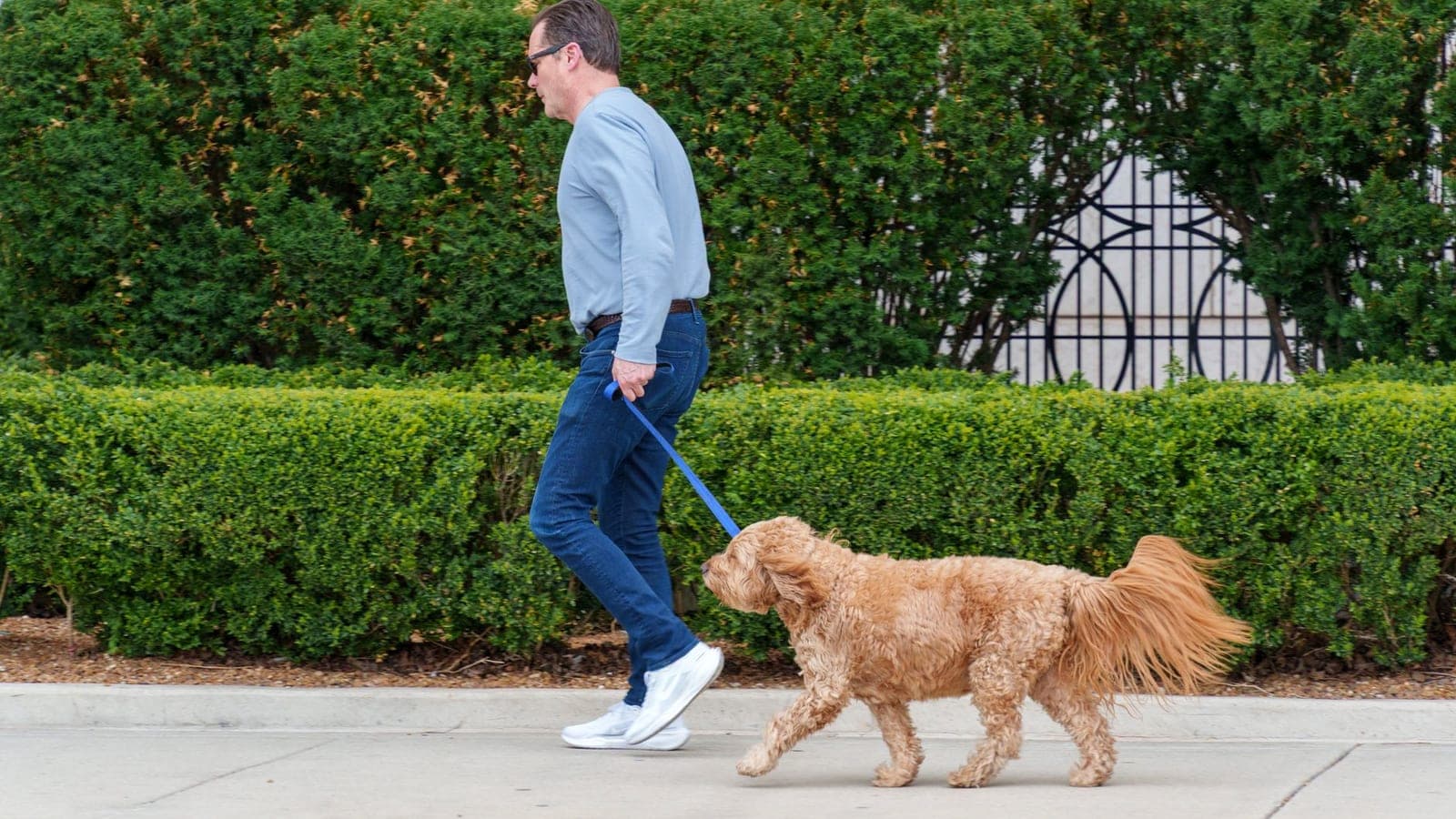
How to become a pet transporter in 30 days: a valid license and clean record, a reliable climate-controlled vehicle, free USDA carrier registration, basic pet first aid, and a marketplace profile that wins your first bid. Here is the week-by-week plan.
How to become a pet transporter: the 7-step version
Here is how to become a pet transporter in one paragraph. You need a valid driver's license, a clean driving and criminal record, a reliable vehicle with working air conditioning, free USDA carrier registration, basic pet handling and first aid knowledge, and a profile on a marketplace where owners post trips. Most people go from zero to first paid trip in two to four weeks. No degree, no special license, and no prior experience are required.
The job itself is simple to describe and harder to do well: you pick up someone's dog or cat at their door, drive it safely across a state or across the country, and hand it over at the other end to a person who has been worrying about it the whole time. Driving is half of it. Communication and animal care are the other half.
This roadmap covers the requirements, the paperwork, the gear, how to find your first job, and how to price and win it. It ends with a week-by-week checklist for your first 30 days and the mistakes that sink most beginners.
- 1. Confirm you meet the basics: valid license, clean record, age 21 or older on most platforms, legal to work in the US.
- 2. Get a suitable vehicle ready: reliable, climate-controlled, room for a crate, current insurance and registration.
- 3. Register with USDA Animal Care as a Class T carrier. It is free.
- 4. Learn pet first aid and safe handling: a short online course plus practice with crates and harnesses.
- 5. Buy the starter kit: crates in two sizes, seat-belt harnesses, water bowls, cleanup supplies, a first aid kit.
- 6. Create a marketplace profile with clear photos, a short bio, and your service area, then pass the background check.
- 7. Bid on your first trips at a fair per-mile rate, communicate constantly, and collect your first reviews.
What a pet transporter actually does (a day on the road)
A typical long trip starts the night before with a message to the owner confirming the pickup window. At pickup you check the dog's paperwork, walk it once, secure it in a crate or harness, and send a photo before pulling away. Then you drive: two to three hours, stop for water and a short walk, photo, repeat. Overnight stops are pet-friendly hotels where the dog sleeps in the room with you.
At delivery you hand over the dog, the paperwork, and any leftover food, walk the new owner through how the trip went, and take one more photo. Then you either drive home empty or, if you planned well, pick up a return trip nearby. Experienced drivers chain trips so they rarely drive empty miles.
Short local trips are the same job compressed: a 200-mile breeder-to-buyer run might take four hours door to door. Typical earnings on GoGoPets are $1.00 to $1.50 per mile, and active drivers running four to eight trips a month report $2,500 to $5,000. The pet transporter earnings breakdown covers the math.
Ready to start earning? GoGoPets driver applications are open across all 50 states.
Apply as a Driver →Pet transport driver requirements: license, record, background check, vehicle
There is no special driver's license for transporting pets. A standard license, a clean driving record, and a criminal background check are what platforms and customers look for. GoGoPets drivers pass background checks, ID verification, and insurance screening before they can bid. Most platforms also require you to be 21 or older and legally able to work in the United States.
The vehicle matters more than beginners expect. It must be reliable enough for 1,000-mile trips without drama, and it must have working air conditioning and heat, because every trip runs in a climate-controlled vehicle. An SUV, minivan, or crossover with a flat cargo area is ideal. A small sedan works for cats and small dogs but limits the trips you can take.
Insurance is the piece most people skip. Your personal auto policy may exclude commercial use. Call your insurer, tell them you are transporting animals for a fee, and ask what they need. Some add a rider; some require a commercial policy. Do this before your first trip, not after a fender-bender.
| Requirement | What it means in practice | Cost |
|---|---|---|
| Driver's license and clean record | No DUIs, no recent major violations, background check passed | $0 |
| Age and work eligibility | 21+ on most platforms, legal to work in the US | $0 |
| Vehicle | Reliable, working AC and heat, room for a 36-inch crate | Already owned, or the biggest expense |
| Insurance | Auto policy that covers paid transport, or a commercial rider | Varies by insurer |
| USDA Class T carrier registration | Register with APHIS Animal Care; required for commercial transport of most species | $0 |
| Pet first aid course | Online certificate covering choking, heat stroke, wounds, CPR basics | Typically $30–$80 |
| Starter kit | Two crates, harnesses, bowls, cleanup supplies, first aid kit | Typically $200–$400 |
Registering with USDA (free) and why customers ask for it
Under the Animal Welfare Act, anyone who transports animals commercially for other people is a carrier and must register with USDA Animal Care as a Class T carrier. Registration is free, and APHIS publishes a short application form for transporters. You fill it out, submit it, and comply with Animal Welfare Act standards for enclosures, care in transit, and recordkeeping.
Customers ask about it because it is the one credential that separates a hobbyist from a professional. On GoGoPets, USDA Animal Care licensed drivers are marked in the app, and owners moving expensive breeds or working with breeders often filter for that badge. USDA licensing is required for commercial pet transport of most species, so this is a step to take in week one, not something to add later.
The USDA license guide for pet transporters walks through the form, the inspection standards, and the difference between registration and a license. Read it before you apply so you know which category you fall into, especially if you also plan to board or sell animals.
Pet first aid and handling basics before your first trip
You do not need a veterinary background, but you do need to know what heat stroke, choking, and a stress-induced stomach bug look like and what to do in the first ten minutes. An online pet first aid course from a recognized provider covers this in a few hours. Put the certificate on your profile. Owners notice.
Handling is the skill that prevents most problems. Practice loading and unloading a crate in your vehicle, clipping a leash before any door opens, and fitting a harness on a dog that does not want one. Learn to read stress signals: lip licking, yawning, tucked tail, whale eye. A stressed dog at a rest stop near a highway is the scenario you are training to prevent.
Build your kit around the things that go wrong: paper towels and enzyme cleaner, a spare leash and slip lead, a collapsible water bowl, a digital thermometer, styptic powder, gauze, vet wrap, and a printed list of 24-hour emergency vets along your first route. Carry a spare crate pad. Someone will get carsick.
Where to find pet transport jobs: marketplaces vs rescues vs breeders
Marketplaces are the fastest way to get paid trips with no network. Owners post a trip, drivers bid, the owner picks one. On GoGoPets there is no membership fee and you keep 100% of your bid; the owner pays the service fee. Payment is held in escrow, with 30% released to you at pickup and 70% after the owner confirms safe delivery, so you are never chasing an invoice.
Rescues and shelters run transport legs constantly, often as volunteer relays. They pay little or nothing, but they are the best place to log experience, references, and photos for your profile before you bid on paid work. Two or three rescue legs in your first month will teach you more than any course.
Breeders are the long-term relationship. A breeder shipping ten puppies a year to buyers across the country wants one driver they trust. You get to them by doing a great job on a marketplace trip from a breeder, then following up. Breeders also care about the USDA badge more than anyone. Fee structures differ across platforms, and how driver platforms compare on fees is worth reading before you commit to one.
Bidding on your first trip: pricing, profile, and photos
Price your first bids at the low end of the typical range, $1.00 per mile, and move up as reviews come in. Owners on GoGoPets see driver rate tiers in bids that step down with distance, from $0.80 per mile under 750 miles to $0.44 per mile above 3,000, with a $250 trip minimum. Bidding far below the range looks like inexperience, not value. Bidding above it with no reviews gets ignored.
Your profile is your resume. Use a clear photo of yourself, one of your vehicle with a crate secured inside, and, once you have them, photos from rescue legs or your own dogs on the road. Write three sentences: who you are, what vehicle you drive, and how you communicate during a trip. Mention your first aid certificate and USDA registration.
When you bid, message the owner. Ask about the pet's temperament, medications, and pickup window, and tell them your plan for stops and overnights. Owners pick the driver who sounds like they have already thought about their dog. On a marketplace with a 4.8 average driver rating, the message is how a new driver stands out. Browse popular routes to see where demand runs highest.
Your first 30 days as a pet transporter: week-by-week checklist
This schedule assumes you are starting from zero with a suitable vehicle and no pet transport experience. If you already have the vehicle and insurance sorted, compress weeks one and two and start bidding sooner. Each week builds on the one before it.
- Week 1: Call your insurer about paid animal transport. Submit the free USDA Class T carrier application. Start a pet first aid course. Order two crates, harnesses, bowls, and a first aid kit.
- Week 2: Finish the first aid course. Practice loading, harnessing, and leash-before-door with a friend's dog. Set up your vehicle: crate anchored, seat covers, cleanup kit, water. Sign up for a rescue transport relay.
- Week 3: Create your GoGoPets profile and complete the background check, ID verification, and insurance screening. Drive one rescue leg and photograph everything. Write your bio using what you learned.
- Week 4: Bid on five to ten trips under 500 miles at $1.00 per mile. Message every owner with a specific plan. Take the first trip you win, send a photo at every stop, and ask for a review at delivery.
- Day 30: Review your numbers. Miles driven, fuel, hotel, food, and earnings. Adjust your per-mile rate and your minimum trip length for month two.
Common mistakes when you become a pet transporter
Under-communicating. The owner is anxious, and silence reads as trouble. A photo at every stop and a message when you start the day and when you stop for the night is the minimum. Drivers with the best reviews send more, not less. GoGoPets driver support is available 24/7 if something on the road needs a second opinion.
Skipping the paperwork check. Health certificates and rabies proof are the owner's job to obtain, but they are your job to confirm before you drive away. A missing rabies certificate discovered at a state line or a hotel desk is your problem at that point. Look at the documents at pickup, every time.
Underpricing to win, then quitting. A 1,000-mile trip bid at $600 sounds like money until you subtract fuel, a hotel night, food, and the empty drive home. Price fairly and treat the first month as training. Average completed trip payout on GoGoPets is about $1,100, which tells you what the market pays a driver it trusts.
If this sounds like a job you would be good at, the next step is short. Apply at become a driver, pass verification, and start bidding on trips near you this month. No membership fee, you keep 100% of your bid, and payment is held in escrow from the moment the owner accepts.
Frequently Asked Questions
What do I need to become a pet transporter?
A valid driver's license, a clean driving and criminal record, a reliable vehicle with working air conditioning and heat, auto insurance that covers paid transport, free USDA Class T carrier registration, and basic pet first aid and handling skills. Add two crates, harnesses, and a cleanup kit, then create a marketplace profile and pass the background check. Most people are ready in two to four weeks.
Do you need a license to transport pets?
No special driver's license, but commercial pet transport of most species requires USDA Animal Care registration or licensing under the Animal Welfare Act. Transporters register as Class T carriers, and registration is free through APHIS. You also need a standard driver's license, and your auto insurance must cover paid transport. Check your state for any additional business license rules.
Can you transport pets as a side hustle?
Yes. Many drivers take one or two trips a month on weekends or days off, often chaining a paid trip with a trip they were already making. On GoGoPets there is no membership fee, you keep 100% of your bid, and typical earnings run $1.00 to $1.50 per mile. Drivers doing four to eight trips a month report $2,500 to $5,000.
How do I get my first pet transport job?
Build a profile with clear photos, a short bio, your first aid certificate, and USDA registration, then bid on five to ten shorter trips at the low end of the typical rate, about $1.00 per mile. Message every owner with a specific plan for stops and updates. A rescue transport leg or two beforehand gives you photos and a reference to point to.
Do pet transporters need pet first aid certification?
It is not legally required for domestic ground transport, but every serious driver should have it. An online pet first aid course takes a few hours and covers heat stroke, choking, wounds, and CPR basics. Put the certificate on your profile. Owners choosing between two new drivers pick the one who can explain what they would do if the dog got sick.
Is pet transport a good business to start?
It is a low-overhead business with real demand: 50 states, year-round moves, breeders, and airline embargoes that push pets to ground every summer. Startup costs are mostly a vehicle you likely already own plus a few hundred dollars of gear. Earnings depend on how many trips you run and how well you chain them. The average completed trip payout on GoGoPets is about $1,100.
Ready to Start Earning?
GoGoPets driver applications are open across all 50 states. No membership fee, no platform cut, pet protection on every trip.
Become a GoGoPets Driver→