
Best Vehicle for Pet Transport: Setup Guide for Drivers
GoGoPets Team ·
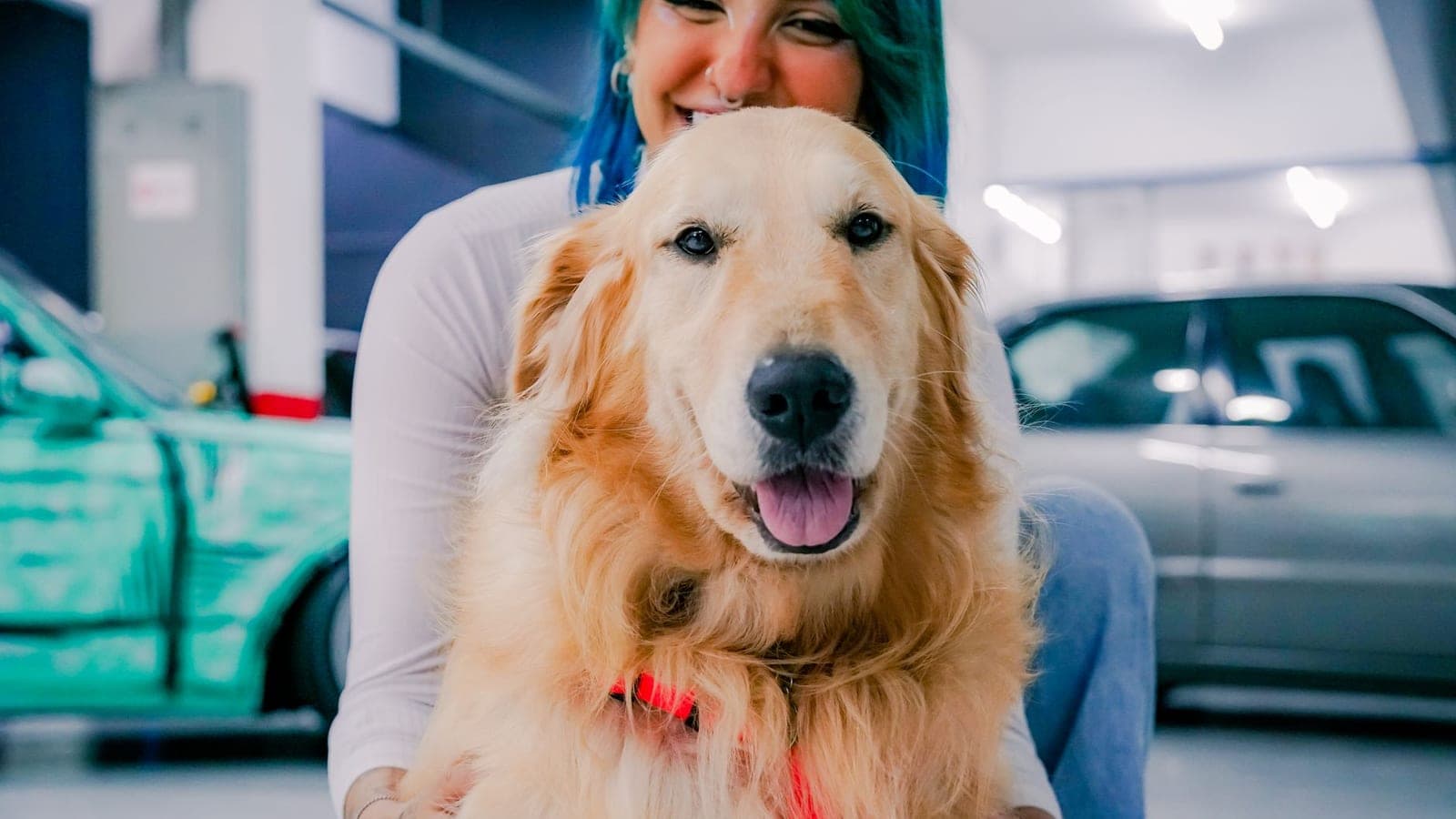
The best vehicle for pet transport is usually a used minivan with stow-away seats, strong air conditioning, and a flat, washable floor. Here is how minivans, SUVs, and cargo vans compare on crates, fuel, and cost, what USDA expects, and what to buy before your first trip.
What the best vehicle for pet transport needs to do
The best vehicle for pet transport is a used minivan with fold-flat or stow-away rear seats, air conditioning that reaches the back, and a flat floor you can wipe down. It holds four to six crates, gets 20–28 mpg, and costs far less to buy and run than a cargo van. Move up to a cargo van only when you regularly haul giant-breed crates or several pets from one household.
Four things matter more than the badge on the grille. Climate control that actually cools the cargo area, because a crate behind the second row can sit 10–15°F warmer than what the dash thermometer says. Flat floor space with solid anchor points. Surfaces you can clean with an enzyme spray in a gas station lot. And reliability, because a breakdown at mile 600 with someone's dog in the back is the worst day of your career.
You do not need a new vehicle to start. Most drivers run their first regional trips in what they already own, watch which bids they win, and upgrade once the work is steady. Read how much pet transporters make before you spend anything, then match the vehicle to the routes you actually plan to run.
Minivan vs SUV vs cargo van: which is the best car for transporting dogs?
A minivan wins for most solo drivers. Stow the rear seats and you get a flat, low floor about four feet wide and seven feet long, with sliding doors that make loading a nervous 80-pound dog easy in a tight driveway. Fuel economy is reasonable, parts are cheap, and owners see a family vehicle, not a delivery truck. The trade-off is ceiling height: extra-large crates fit, but you cannot stack anything above them.
An SUV works if you already own one and mostly move one or two pets at a time. A midsize SUV fits two medium crates or one extra-large crate with the second row folded. The cargo area sits higher, which is harder on your back and on older dogs. Rear air conditioning is often weaker than a minivan's, so measure the temperature at crate level before you accept summer trips.
A cargo van is the choice for volume: six to ten crates, room to stand, and a bare metal floor you can line with rubber and hose out. It costs more to buy, burns more fuel, and some owners hesitate when a windowless van pulls up. In the minivan vs cargo van for pet transport debate, the van only pays off when you consistently book multi-pet or giant-breed trips.
| Vehicle | Crate capacity (medium crates) | Typical MPG | Typical used price | Best use case |
|---|---|---|---|---|
| Minivan (seats stowed) | 4–6 | 20–28 (hybrids higher) | $8,000–$25,000 | Solo drivers, 1–3 pets, regional and long-haul |
| Midsize SUV | 2–3 | 20–27 | $10,000–$30,000 | Part-time drivers, single-pet trips |
| Full-size SUV | 3–4 | 15–20 | $15,000–$40,000 | Large breeds, mixed family and work use |
| Cargo van | 6–10+ | 14–20 | $15,000–$35,000 | Multi-pet households, giant breeds, full-time volume |
Ready to start earning? GoGoPets driver applications are open across all 50 states.
Apply as a Driver →Pet transport vehicle requirements: what USDA and owners expect
USDA Animal Care regulates commercial pet transport under the Animal Welfare Act, and its transport standards in 9 CFR Part 3 apply to your vehicle, not just your license. The rules require crates that let each animal stand, sit, turn around, and lie down naturally, positioned so every animal gets enough air and secured so they cannot shift or tip. Animals must be observed at least once every four hours in transit.
The same regulations set temperature limits for the animal cargo space. For dogs and cats, the ambient temperature must not drop below 45°F or rise above 85°F for more than four consecutive hours. That is the legal floor. Owners expect better, and most experienced drivers keep the cargo area between 65°F and 75°F. If your vehicle cannot hold that in July in Texas, it is not the best vehicle for pet transport work, whatever it cost.
Licensing is a separate step, and most commercial transporters of dogs and cats need it. The USDA pet transport license guide walks through the application and inspection. Inspectors look at the vehicle during that process, so set it up properly before you apply. Licensed drivers are marked in the GoGoPets app, and owners notice the badge when they compare bids.
How many crates fit in a minivan, and how should you lay them out?
With both rear rows stowed, a typical minivan takes four medium (36-inch) crates in a two-by-two grid, or six if you mix in 30-inch crates. Two extra-large 48-inch crates fit end to end down the center with room for supplies along the sides. Keep the first row of crates behind the front seats with the doors facing the sliding doors so you can open each one without unloading another.
Never put a crate where a seat belt would normally hold a person unless it is belted in. Loose crates are the single biggest risk in the vehicle, and a 40-pound crate becomes a projectile in a 30 mph stop. Use the factory tie-down loops in the floor, add D-rings if you need more, and run straps through the crate frame, not the handle. The full method is in how to secure a dog crate in a van.
Leave a gap of at least three inches between crates and between the crates and the vehicle walls. That gap keeps air moving and stops dogs from nosing each other through the bars. Pets travel alone with their driver on GoGoPets trips, never mixed with other customers' animals, so most layouts only need to handle one household at a time.
Climate control, ventilation, and monitoring on hot and cold days
Buy a digital thermometer with a wired or wireless probe and put the probe at crate level in the back. Dashboard readings lie. A minivan with rear vents typically holds the cargo area within 3–5°F of the front. An SUV without rear vents can run 10°F warmer in direct sun. Read the probe every time you check your mirrors until you know your vehicle.
Pre-cool or pre-heat for ten minutes before loading. In summer, park in shade at stops and never leave a pet in the vehicle without the engine and AC running, and even then, keep stops short and stay within sight. On a 90°F day the inside of a parked vehicle can pass 110°F in about 20 minutes, which is why the safest rule is simple: if you are not in the vehicle, the pet is not in the vehicle.
In winter, keep the cargo area above 60°F for short-coated breeds, seniors, and puppies, and put a fleece pad in every crate. Tint or shade the rear windows, carry a 12-volt fan for backup airflow, and keep a gallon of water per pet per day of travel. Regular stops for water, food, and exercise are standard on GoGoPets trips, so plan them into every route.
Pet transport equipment list with rough prices
You can outfit a minivan for pet transport for about $500–$1,200, and most of that is crates. Buy quality straps and a good thermometer first; those two items prevent the failures that end careers. Everything else can be upgraded once you have a few paid trips behind you. Prices below are typical retail ranges, not quotes.
Keep a written inventory in the vehicle and restock after every trip. Owners rarely ask what you carry, but they notice when you produce a spare slip lead, a clean water bowl, and a first aid kit without hunting for them. That is the kind of detail that shows up in reviews.
- Crates, plastic or aluminum, in three sizes: $60–$300 each
- Cam buckle straps and ratchet straps, four to six total: $20–$60
- Floor D-rings or L-track kit if your vehicle lacks anchor points: $30–$120
- Rubber cargo mat or heavy-duty liner: $50–$150
- Digital thermometer with remote probe: $15–$40
- 12-volt fan and window shades: $40–$90
- Spill-resistant water bowls and a 5-gallon water jug: $25–$50
- Absorbent pads, fleece crate mats, and a spare set: $30–$60
- Enzyme cleaner, paper towels, trash bags, gloves: $20–$40
- Handheld vacuum and lint roller: $40–$100
- Slip leads, spare collar, harness, and long line: $30–$60
- Pet first aid kit, plus a muzzle you never plan to use: $30–$60
- Phone mount, charger, and battery bank for photo updates: $30–$60
How do you control hair, odor, and mess between trips?
Line the floor with rubber before the first trip and never let carpet meet dog. Fold a fleece mat into each crate, layer an absorbent pad under it, and swap both at every stop that produces an accident. Wipe crate floors with enzyme cleaner, not bleach, because bleach fumes in a closed vehicle are hard on lungs, yours and theirs.
After delivery, pull every crate, vacuum the floor and the tracks, wipe the walls, and let the vehicle air out with the doors open for 30 minutes. Wash crates with dish soap and a hose, then dry them fully before the next load. Odor that lingers usually comes from a wet crate mat stored in a closed van, not from the dog.
Keep a small bin for used pads and a second bin for trash, both with lids. A vehicle that smells clean at pickup is the first thing an owner notices when the door slides open, and it is the last thing they remember when they write the review.
When should you upgrade your pet transport vehicle?
Upgrade when the vehicle, not your schedule, is the reason you pass on bids. If you turn down two-pet trips because only one crate fits, or skip summer routes because the rear AC cannot hold temperature, the next vehicle pays for itself. Active drivers doing four to eight trips a month report $2,500–$5,000 in monthly earnings, which supports a used minivan payment comfortably.
Do not upgrade to chase a look. Owners choose on reviews, photos, communication, and price. A clean 2016 minivan with six good reviews beats a new cargo van with none. Spend on crates, straps, and climate control first, and keep the vehicle payment small until your bid win rate justifies it.
If you are still deciding whether this work suits you, read how to become a pet transporter for the full path from first trip to steady income. When your vehicle is ready, apply to drive with GoGoPets. There is no membership fee, you keep 100% of every bid, and payment is held in escrow with 30% released at pickup and 70% after delivery.
Frequently Asked Questions
What is the best vehicle for a pet transport business?
A used minivan with stow-away rear seats is the best vehicle for most pet transport drivers. It carries four to six medium crates on a flat floor, gets 20–28 mpg, has sliding doors for easy loading, and rear air conditioning that reaches the crates. Cargo vans make sense once you regularly haul giant breeds or several pets from one household.
Can I transport pets in my SUV?
Yes, an SUV works well for single-pet and two-pet trips. Fold the second row for a flat area that fits two medium crates or one extra-large crate, strap every crate to factory anchor points, and check the cargo-area temperature with a probe thermometer. SUVs without rear vents can run 10°F warmer in the back, so verify cooling before accepting summer routes.
What does USDA require for a pet transport vehicle?
USDA Animal Welfare Act transport standards (9 CFR Part 3) require crates that let animals stand, sit, turn, and lie down naturally, secured so they cannot shift, with adequate airflow to each enclosure. The cargo-area temperature must stay between 45°F and 85°F, with no more than four consecutive hours outside that range, and animals must be observed at least every four hours in transit.
How many dog crates fit in a minivan?
With both rear rows stowed, a typical minivan holds four 36-inch medium crates in a two-by-two grid, or six if you mix in 30-inch crates. Two 48-inch extra-large crates fit end to end down the center. Leave at least three inches between crates for airflow, and face the crate doors toward the sliding doors so you can reach each pet without unloading.
Do I need a cargo van to transport pets?
No. A cargo van only pays off when you consistently book multi-pet households or giant-breed dogs whose crates will not fit a minivan. Vans cost more to buy, get 14–20 mpg, and some owners are wary of windowless vehicles. Most solo drivers earn steady income in a minivan or SUV and upgrade only when the vehicle is the reason they decline bids.
What equipment do I need to start transporting pets?
Plan on $500–$1,200 for crates in three sizes, cam buckle and ratchet straps, floor anchors if needed, a rubber cargo mat, a probe thermometer, a 12-volt fan, water bowls and a jug, absorbent pads and fleece mats, enzyme cleaner, a handheld vacuum, slip leads, a pet first aid kit, and a phone mount for photo updates. Buy straps and the thermometer first.
Ready to Start Earning?
GoGoPets driver applications are open across all 50 states. No membership fee, no platform cut, pet protection on every trip.
Become a GoGoPets Driver→