
Brachycephalic Dog Transport: Why Flat-Faced Dogs Ride, Not Fly
GoGoPets Team ·
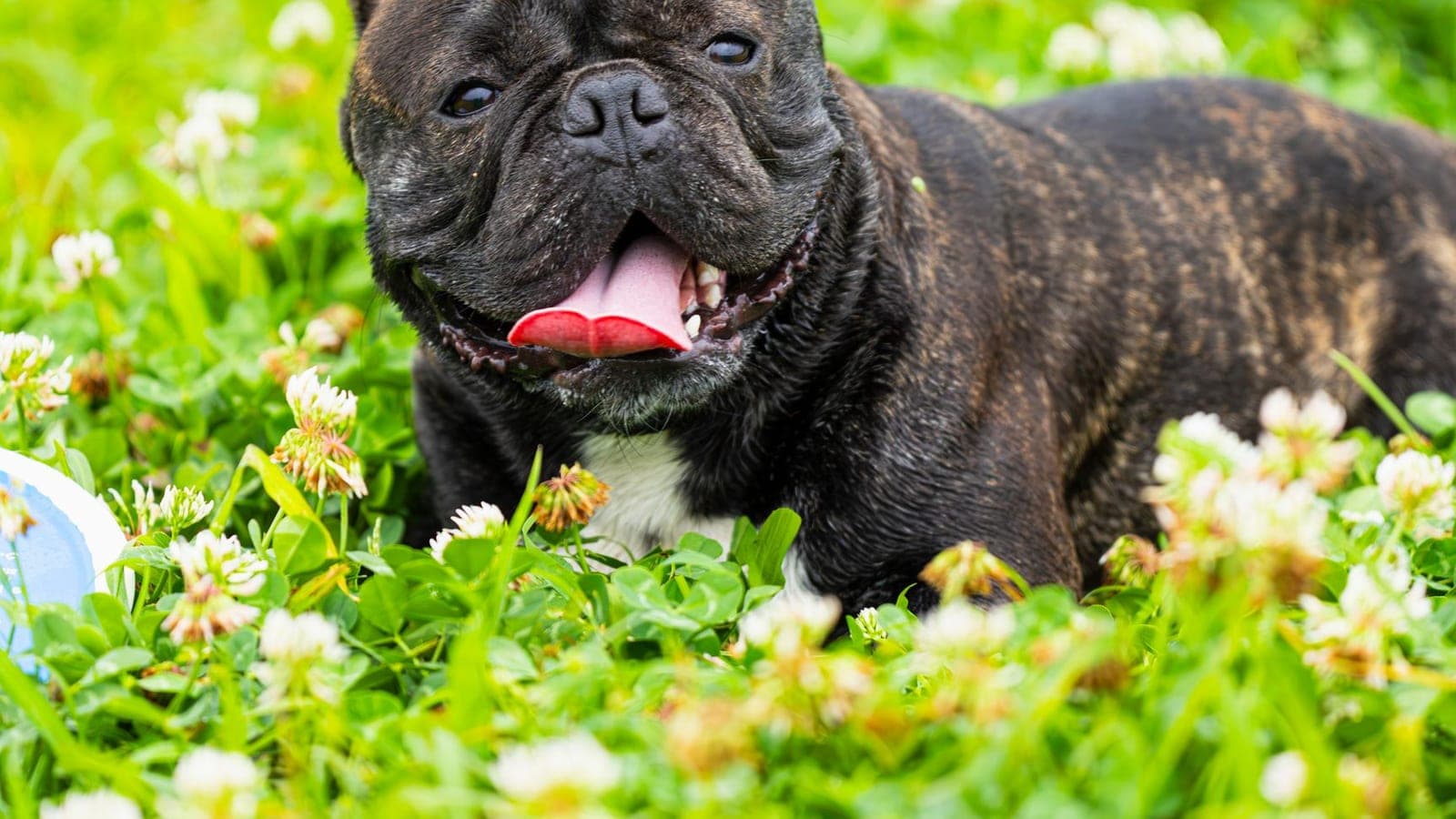
Brachycephalic dog transport usually means the road, because most US airlines will not carry French bulldogs, pugs, or bulldogs in cargo. Here is the breathing risk behind that rule, how a climate-controlled door-to-door trip works, what it costs, and how to prep a flat-faced dog.
Can French bulldogs fly? Why brachycephalic dog transport means the road
Most French bulldogs cannot fly in cargo, and the same is true for nearly every flat-faced breed. The pet policies of American, Delta, United, and Alaska list snub-nosed dogs as not accepted in the hold, and Southwest carries no pets in cargo at all. So brachycephalic dog transport comes down to two options: a dog small enough to ride in the cabin under the seat, or a climate-controlled vehicle with a driver who stops for breaks.
The cabin option is narrower than it sounds. Airlines cap in-cabin pets at whatever fits in a soft carrier under the seat, which in practice means about 20 pounds including the carrier. A typical adult Frenchie weighs 20 to 28 pounds. Pugs and Shih Tzus sometimes make the cut. English bulldogs and boxers never do.
This guide covers the physiology behind the airline rules in plain words, how a ground trip works door to door, what it costs, and what to tell the driver so a flat-faced dog arrives calm and cool. The prep checklist and breed notes are near the end.
Which airlines restrict snub-nosed breeds in cargo, and why?
Every major US carrier that still moves pets in cargo publishes a list of breeds it will not accept. The wording varies but the lists cover the same dogs: bulldogs of every type, pugs, Boston terriers, Shih Tzus, Pekingese, boxers, Lhasa Apsos, and usually mastiff types and their mixes. Delta and American state the exclusion outright in their pet policies. United's cargo program has had the same restriction whenever open.
The rules date to the late 2000s and early 2010s. The American Veterinary Medical Association has pointed to US Department of Transportation incident reports from that period showing that short-nosed breeds made up roughly half of the dog deaths reported in airline cargo, despite being a much smaller share of the dogs flown. Airlines responded by embargoing the breeds outright.
The cabin is the one exception to the snub nosed dog travel bans, and it depends on carrier size, not breed. Read the policy for the exact airline, because rules change and some carriers add summer heat embargoes on top of the breed list. For a dog over about 20 pounds, though, the question of whether it is safe to ship your dog by air has already been answered by the airline: it will not take the booking.
Get a free estimate for your specific route — verified drivers compete for your trip.
Get Instant Estimate →What happens to a flat-faced dog's airway in heat and stress?
Brachycephalic means short skull. Breeding for a flat face compressed the nose and throat without shrinking the soft tissue inside, so the nostrils are narrow, the soft palate is long, and the windpipe is often small. Veterinarians call the resulting set of problems brachycephalic obstructive airway syndrome, or BOAS. Many flat-faced dogs have some degree of it, diagnosed or not.
Dogs cool themselves by panting, which moves air across the tongue and throat. A dog with a narrowed airway has to work harder to move that air, and the effort itself generates heat and swells the throat tissue further. That is the loop the AVMA warns about: heat leads to panting, panting leads to swelling, swelling narrows the airway, and body temperature climbs faster than the dog can shed it.
Stress triggers the same loop without any heat. An anxious dog pants, and a panting Frenchie in a crate on a hot tarmac can go from noisy breathing to collapse in minutes with nobody watching. A cargo hold is dark, loud, and unmonitored between loading and unloading, exactly the setting a BOAS dog handles worst.
None of this makes a flat-faced dog fragile in daily life. It means the dog needs a cool environment, a calm handler, and someone who can hear it breathing. A car with air conditioning and a person in the front seat provides all three.
Why is climate-controlled ground transport the workable option for bulldog and pug transport?
Ground transport removes the three conditions that make cargo dangerous. The cabin of a car stays at whatever temperature the driver sets, usually the high 60s to low 70s. The driver can hear a change in breathing from the front seat. And the trip stops every few hours so the dog can stand, drink, and relieve itself instead of sitting in a crate the whole way.
On GoGoPets, every vehicle is climate-controlled and your dog rides alone with the driver, never in a shared van with other customers' animals. That matters for a bulldog: no other dog barking at it, no competing for the driver's attention, and no waiting while another pet is picked up. Drivers stop regularly for water, food, and exercise breaks, and send photo updates from the road.
There is no breed list on the ground side. A French bulldog, an English bulldog, or a pug can be posted the same day as any other dog. What changes is how you write the trip post and which driver you pick, which the next two sections cover.
For the full comparison of the two modes, including when air still makes sense for dogs that are allowed on it, see our ground vs air pet transport breakdown. For bulldog ground transport specifically, the decision is usually made for you. The rest of this guide is about doing it well.
How does a door-to-door brachycephalic dog transport trip work?
You post the trip in the free GoGoPets app: pickup address, drop-off address, dates, and a description of the dog. Verified drivers submit competing bids, and you can message each one before choosing. Drivers pass background checks, ID verification, and insurance screening, and USDA-licensed drivers are marked in the app. There are 504 verified drivers on the platform, covering all 50 states.
Pickup happens at your door. The driver meets the dog on leash, loads it into a secured crate inside the climate-controlled cabin, and heads out. For a trip under about 700 miles, the dog is usually at the destination the same day. Longer runs take two or three days with overnight stops, and the dog sleeps indoors with the driver, not in the vehicle.
Along the way the driver stops every few hours, sends photo updates, and answers your messages in the app. At the destination, whoever receives the dog checks it over and confirms delivery. Payment is held in escrow the whole time: 30% is released to the driver at pickup and 70% after you confirm safe delivery. Every trip includes pet protection at no extra cost.
How do you manage temperature and stress, and what should you tell the driver?
Three things decide how a flat-faced dog does on the road: cabin temperature, timing, and the handler's attention. Ask for a cabin in the high 60s to low 70s, air conditioning that reaches the back of the vehicle, and a crate positioned where the vents hit it. In summer, ask the driver to run desert and Southern stretches early and late, and to walk the dog only in shade.
Stress management starts before pickup. Skip vigorous exercise the morning of the trip, feed a light meal two to three hours before, and send a worn shirt or the dog's own blanket in the crate. Tell the driver what the dog's normal breathing sounds like so a change is obvious. Snoring is normal for a Frenchie. Wide-mouth panting with a blue or purple tongue is an emergency.
Put all of this in the trip post, not just in a message, so every bidding driver sees it before they quote. A driver who runs a regular pug transport service will usually reply with their own heat routine, which tells you a lot. Then run through the checklist below the week before departure.
- Vet visit within 10 days of departure for a health certificate. Ask specifically about airway grade, heat tolerance, and whether the dog is fit for a multi-day trip.
- Confirm the crate: hard-sided, big enough to stand and turn in, ventilation on at least three sides. No soft carriers on the road.
- Pack the dog's regular food for the trip plus two days, a collapsible bowl, and any medication with written timing.
- Send a cooling mat or a damp towel for the crate floor, and a spray bottle for wetting paws and belly at stops.
- Write the dog's normal breathing pattern, any past heat episodes, and your vet's phone number on one card taped to the crate.
- Ask each bidding driver for the vehicle make and model, whether it has rear air conditioning, and how many flat-faced dogs they have moved.
- Confirm summer routing: early and late driving through hot regions, walks in shade, no midday stops on asphalt.
- Use a harness, not a collar, for every walk. Pressure on a bulldog's throat tightens an airway that is already narrow.
What does brachycephalic dog transport cost?
Ground transport is priced by distance, not breed, so a flat-faced dog costs the same as any other dog on the same route. On GoGoPets, driver bids follow per-mile tiers: about $0.80 per mile under 750 miles, $0.60 per mile from 1,251 to 1,550 miles, and $0.50 per mile between 2,051 and 3,000 miles, with a $250 trip minimum. A $99 service fee is added once per trip; the Concierge option is $299.
In practice, short routes under 300 miles usually land at $299–$450 all-in, a 1,000-mile trip at $650–$850, and a cross-country run at $900–$1,400 or more. The average completed trip on the platform is about $680. On a summer run like Arizona to California, pick the driver with the best heat plan, not the lowest bid.
Compare that with air. If your dog is under the cabin limit, a pet-in-cabin fee is cheaper, but you have to buy your own ticket too, and the dog stays zipped in the carrier for the whole flight. If it is over the limit, air is not available at any price. For most of these breeds, ground is the only door-to-door option, not the expensive fallback.
Which flat-faced breeds need extra care? Breed-by-breed notes
The breeds below are the ones that appear on airline restricted lists most often. Weights are typical adult ranges from breed standards, and the cabin column assumes the common limit of about 20 pounds including the carrier. Check the specific airline policy before assuming a cabin seat, since limits vary by carrier.
French bulldog transport is the most common flat-faced job on the road, and the Frenchie is the most airway-compromised dog in the group. Book with a driver who has moved several, and ask them to describe a Frenchie's normal breathing back to you. English bulldogs are the same story with 20 extra pounds and even less heat tolerance. They need the strongest air conditioning and the slowest, shadiest stops of any breed here.
Pugs and Boston terriers travel well when they are calm, so the main job is keeping stress down: familiar bedding, a quiet cabin, and a driver who talks to them. Shih Tzus and Pekingese add a coat problem to the airway problem. A trim before a summer trip and a cooling mat in the crate make a real difference.
Boxers are the outlier. They are big, athletic, and often forgotten as a brachycephalic breed, but they sit on most airline lists and overheat quickly after exertion. Treat a boxer like a bulldog in the heat and like a large dog for crate size.
Ready to book? Post the trip in the free GoGoPets app with the breed, the weight, and the notes from the checklist above. Verified drivers bid, you pick the one with the best heat plan, and payment sits in escrow until you confirm your dog arrived safe and breathing easy.
| Breed | Typical adult weight | Fits in cabin? | Airline cargo status (typical) | Ground transport note |
|---|---|---|---|---|
| French bulldog | 16–28 lb | Sometimes, small adults only | Restricted | Most airway-compromised of the group; keep cool, harness only |
| English bulldog | 40–50 lb | No | Restricted | Overheats fastest; strong rear AC, shade at every stop |
| Pug | 14–18 lb | Usually | Restricted | Anxious traveler; own blanket, calm handler |
| Boston terrier | 12–25 lb | Often | Restricted | Milder airway; still no midday summer walks |
| Shih Tzu | 9–16 lb | Yes | Restricted | Long coat traps heat; brush out or trim before summer trips |
| Pekingese | Up to 14 lb | Yes | Restricted | Heavy coat plus flat face; cooling mat, short walks |
| Boxer | 50–80 lb | No | Restricted on most lists | Athletic but heat-sensitive; no exercise before loading |
Frequently Asked Questions
Can French bulldogs fly on airplanes?
Only in the cabin, and only if they fit under the seat. American, Delta, United, and Alaska list snub-nosed breeds as not accepted in cargo, and Southwest carries no pets in cargo at all. In-cabin pets typically must weigh about 20 pounds or less including the carrier, and most adult Frenchies weigh 20–28 pounds. For most French bulldogs, ground transport is the only door-to-door option.
Why can't brachycephalic dogs fly in cargo?
Because their narrowed airways make heat and stress dangerous in a place nobody is watching. The AVMA has cited US Department of Transportation reports showing short-nosed breeds accounted for roughly half of dog deaths in airline cargo in the late 2000s. Panting to cool down swells the throat and narrows the airway further, and a cargo hold offers no way to intervene. Airlines responded by restricting the breeds.
What is the safest way to transport a pug or bulldog long distance?
A climate-controlled vehicle with a driver who can hear the dog and stops every few hours. Keep the cabin in the high 60s to low 70s, walk the dog in shade, use a harness instead of a collar, and skip exercise before loading. On GoGoPets the dog rides alone with a verified driver, never in a shared van, and the driver sends photo updates from the road.
How much does brachycephalic dog transport cost?
About the same as any dog on the same route, because ground transport is priced by distance. On GoGoPets, short routes under 300 miles usually run $299–$450 all-in, a 1,000-mile trip $650–$850, and cross-country $900–$1,400 or more, including the $99 service fee. The average completed trip on the platform is about $680. Breed does not change the per-mile rate.
How long can a French bulldog ride in a car?
As long as the trip requires, provided it stops every few hours and the cabin stays cool. Drivers stop regularly for water, food, and exercise breaks, and multi-day trips include overnight stops where the dog sleeps indoors with the driver. The risks for a Frenchie come from heat, stress, and long stretches without a break, not from the distance itself.
What should I tell the driver about my flat-faced dog?
The dog's normal breathing sounds, any past heat or breathing episodes, its vet's phone number, and its weight. Add the cabin temperature you want, a request for early and late driving through hot regions in summer, and a reminder to use a harness rather than a collar. Put all of it in the trip post so every driver who bids has read it before pickup.
Ready to Transport Your Pet?
Post your trip for free and receive competitive bids from verified, USDA-certified drivers. Pet protection included on every booking.
Get a Free Quote for Your Trip→