
How Does Door-to-Door Pet Transport Work? Step by Step
GoGoPets Team ·
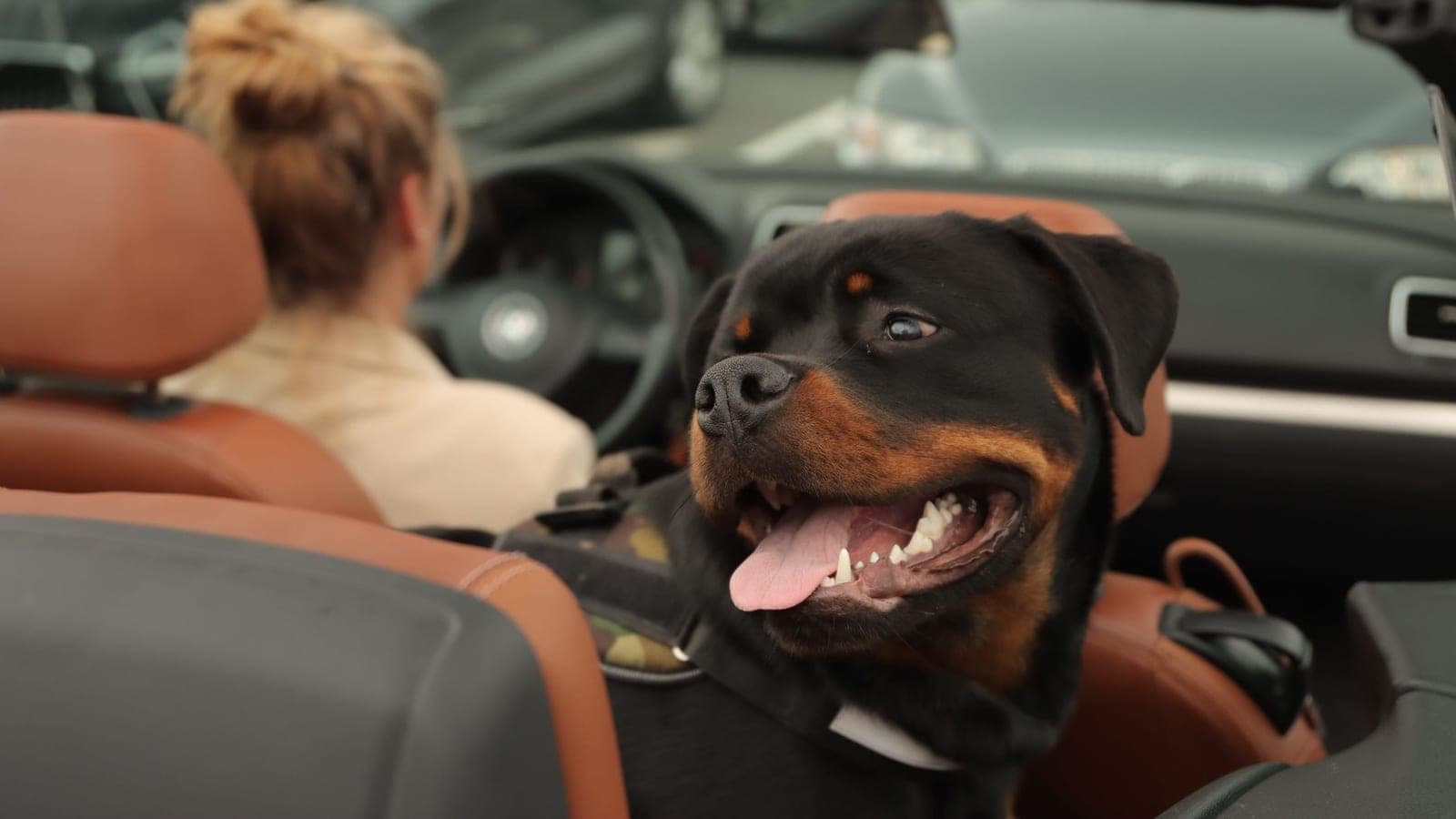
How does pet transport work? You post the trip, verified drivers bid, you pay into escrow, and a single driver picks your pet up at your door and delivers it to the other one. Here is what happens at each step, including walks, updates, and where your dog sleeps.
How does pet transport work? The six steps
How does pet transport work? You post the trip with pickup and delivery addresses, verified drivers bid on it, and you pick one. Your payment goes into escrow. On pickup day the driver arrives at your door, loads your pet into a climate-controlled vehicle, and drives it to the destination, stopping every two to four hours and sending photos along the way. When your pet arrives safely, you confirm delivery and the driver gets paid.
That is the whole model for door-to-door pet transport. There is no airport, no cargo hold, no handoff between companies. One driver, one vehicle, your pet, and a route. On GoGoPets your pet never shares the van with other customers' animals, so the schedule is built around your dog or cat alone.
The rest of this guide walks through each step in detail, including the parts owners worry about most: what the driver checks at pickup, how often the vehicle stops, where your pet sleeps on a multi-day trip, and what happens if something goes wrong.
- Post your trip for free: addresses, dates, and your pet's details.
- Compare bids from verified drivers and pick one on price, reviews, and vehicle.
- Pay into escrow; 30% releases at pickup, 70% after you confirm delivery.
- Pickup day: the driver checks paperwork, crate, and food, then loads up.
- On the road: walks every 2–4 hours, water, photo updates, and in-app messaging.
- Delivery: you meet the driver, check your pet over, and release payment.
Step 1: Post your trip and get bids from verified drivers
Posting is free and takes about five minutes in the GoGoPets app. You enter the pickup and delivery addresses, the date window, and your pet's species, breed, weight, age, and anything a driver needs to know: medication, anxiety, a crate you already own. The more you add, the more accurate the bids.
Drivers who run your corridor then submit bids. Every driver on the platform has passed a background check, ID verification, and insurance screening, and drivers who hold USDA Animal Care licensing are marked in the app. Bids follow published per-mile tiers, from $0.80 per mile on trips under 750 miles down to $0.50 per mile on 2,051–3,000-mile runs, with a $250 minimum.
Most trips see several bids within a day or two. A 1,000-mile trip usually lands at $650–$850 all-in, and the average completed trip on the platform is about $680. Our pet transportation cost guide breaks the numbers down by distance and route.
Get a free estimate for your specific route — verified drivers compete for your trip.
Get Instant Estimate →Step 2: Compare drivers, reviews, and vehicle setup
A bid is a number; the driver behind it is what you are actually buying. Open each profile and read the reviews, the trip count, and the vehicle description. GoGoPets drivers average a 4.8 rating and collectively bring more than 10,000 trips of experience, but individual profiles vary, and you should choose the one that fits your pet.
Message drivers directly in the app before you accept. Good questions: How many stops do you plan per day? Where will my dog sleep overnight? Can you send a photo of the crate space in your vehicle? Have you moved a dog this size or this breed before? A driver who answers quickly and specifically before you pay will usually communicate the same way on the road.
Then accept the bid you trust. Price matters, but a $60 difference on a four-day trip is small next to a driver who has done your route twenty times and answers messages in ten minutes. If two drivers are close, pick the one whose vehicle photos show a clean, secured crate space and working air conditioning vents in the back.
Step 3: Pay into escrow, and why your money is protected until delivery
When you accept a bid you pay the driver's price plus the GoGoPets service fee, $99 standard or $299 Concierge, once per trip. The driver's portion does not go to the driver. It is held in escrow by the platform. 30% is released when the driver picks your pet up, and the remaining 70% is released only after you confirm your pet arrived safely.
This is the part that separates a marketplace from paying a stranger over Zelle. The driver has every incentive to finish the trip well, because most of the money arrives at the end. If a trip cannot be completed, you are refunded under the refund policy. And every trip includes pet protection coverage at no extra cost.
Escrow also keeps the pricing honest. Drivers pay no membership fee and keep 100% of their bid, so there is no reason for a legitimate driver to ask you for cash on the side. If one does, that is a red flag, not a discount.
Pickup day: what the driver checks and what you hand over
The driver arrives at your address in the agreed window and messages you when they are close. Expect them to look at your pet, the crate, and your paperwork before loading. Most drivers want a current rabies certificate and, on trips that cross state lines, a certificate of veterinary inspection; the destination state sets that rule, according to the USDA's interstate pet travel guidance, not the driver.
Hand over what your pet needs for the whole trip: enough food for every day plus a spare, a familiar blanket or shirt that smells like home, any medication with written dosing times, a leash and collar with ID, and a printed copy of the vet paperwork. Skip a full meal in the two or three hours before pickup; most vets recommend a light meal earlier in the day to reduce carsickness.
Then say goodbye quickly. A long, emotional handoff makes most dogs more anxious, not less, because they read your stress before they read anything else. Hand the driver the leash, step back, and let them load. The driver will typically send a first photo within the hour, once your pet has settled and the first leg is underway.
On the road: walks every 2–4 hours, water, and photo updates
A professional driver plans the day around the animal, not the odometer. Dogs come out on a leash every two to four hours for a walk, water, and a bathroom break; cats stay in the carrier but get water and a litter opportunity at stops. The vehicle stays climate-controlled the entire time, and pets are never left in a parked vehicle in the heat.
Pet transport updates during the trip come through the app. Drivers send photo updates from the road, usually at every stop, and you can message the driver directly whenever you want a check-in. Most owners hear from their driver three to six times a day on a long run.
If a pet gets sick or hurt on the road, the driver contacts you through the app and heads to the nearest vet. GoGoPets driver support is available 24/7, and pet protection coverage is included on every trip. For the full safety picture, including how drivers are screened, read is it safe to ship my dog.
Where does my dog sleep on a multi-day transport?
This is the question owners ask most, and the answer you want is the one to ask your driver before you book. On a multi-day trip most professional drivers stop at pet-friendly hotels, and your dog sleeps in the room with the driver, not in the vehicle. Some drivers run in teams and drive through the night, so the pet sleeps in its crate in a moving, climate-controlled vehicle and the trip finishes faster.
Either approach is fine when it is planned and explained. What you do not want is a pet left alone in a parked van overnight. Ask directly: Where will my dog be at 2 a.m.? A good driver has a clear answer, and you will usually get an evening photo from the hotel room to confirm it.
Because a GoGoPets driver carries only your pet, the overnight plan is not constrained by a van full of other animals. The driver can match the day's mileage to your dog's age and temperament, and slow down on day three if the dog needs it.
Delivery and releasing payment
The driver messages you with an updated arrival time as the last leg begins. At delivery, take a minute to look your pet over, walk it, and check the crate and belongings. Then confirm safe delivery in the app. That confirmation releases the remaining 70% of the driver's payment from escrow.
Expect your dog to be thirsty, a little wound up, and very glad to see you. Most settle within a day or two. Feed a normal meal a few hours after arrival, keep the first evening quiet, and skip the dog park until the next day. Then leave a review for your driver; reviews are what the next owner will read when they compare bids.
How long does pet transport take by ground?
A single driver with regular stops typically covers 500–700 miles a day. That gives you a reliable rule of thumb: divide the mileage by about 600 and round up. The table shows common routes on the GoGoPets route network, with the door-to-door timelines drivers usually quote.
The Texas to Florida pet transport route, for example, runs 1,000–1,300 miles depending on the cities, and most drivers deliver on the second day. When you are ready, post the trip on GoGoPets, compare the bids that come in, and choose your driver. Your payment stays in escrow until your pet is home, and pet protection is included on every trip.
| Route | Miles | Typical door-to-door time |
|---|---|---|
| Los Angeles → San Francisco | 380 | Same day |
| Chicago → Atlanta | 720 | 1–2 days |
| Dallas → Miami | 1,300 | 2 days |
| New York → Miami | 1,280 | 2 days |
| Texas → California | 1,400–1,700 | 3 days |
| New York → California | 2,800 | 4–5 days |
Frequently Asked Questions
How does door-to-door pet transport work?
You post the trip, verified drivers bid, and you choose one. Payment is held in escrow. The driver picks your pet up at your address, drives it in a climate-controlled vehicle with walks every two to four hours and photo updates, and delivers it to the destination address. When you confirm safe delivery, the driver is paid.
How often do pet transporters stop for breaks?
Professional drivers stop every two to four hours. Dogs get a leashed walk, water, and a bathroom break at each stop; cats get water and a litter opportunity in the vehicle. Drivers typically cover 500–700 miles a day at that pace, and they never leave a pet in a parked vehicle in the heat.
Do pet transporters send updates during the trip?
Yes. On GoGoPets, drivers send photo updates from the road, usually at every stop, and you can message the driver directly in the app at any time. Most owners hear from their driver three to six times a day on a long trip, including an evening photo from the overnight stop.
Where does my dog sleep during a multi-day transport?
Most drivers stop at pet-friendly hotels, and your dog sleeps in the room with them, not in the vehicle. Some drivers run in teams and drive through the night, so the pet sleeps in its crate in a moving, climate-controlled vehicle. Ask your driver which approach they use before you accept the bid.
How far in advance should I book pet transport?
Two to three weeks ahead is ideal. It gives more drivers time to see your trip and bid, which usually lowers the price. Trips can be booked on shorter notice, especially on busy corridors like New York to Florida or Texas to California, but fewer bids on a short-notice long route can push the accepted price up.
What happens if my pet gets sick during transport?
The driver contacts you through the app and takes your pet to the nearest veterinarian. GoGoPets driver support is available 24/7 to help coordinate. Every trip includes pet protection coverage at no extra cost, and your payment stays in escrow until you confirm safe delivery.
Ready to Transport Your Pet?
Post your trip for free and receive competitive bids from verified, USDA-certified drivers. Pet protection included on every booking.
Get a Free Quote for Your Trip→