
How to Transport a Cat Long Distance (Car or Pro Driver)
GoGoPets Team ·
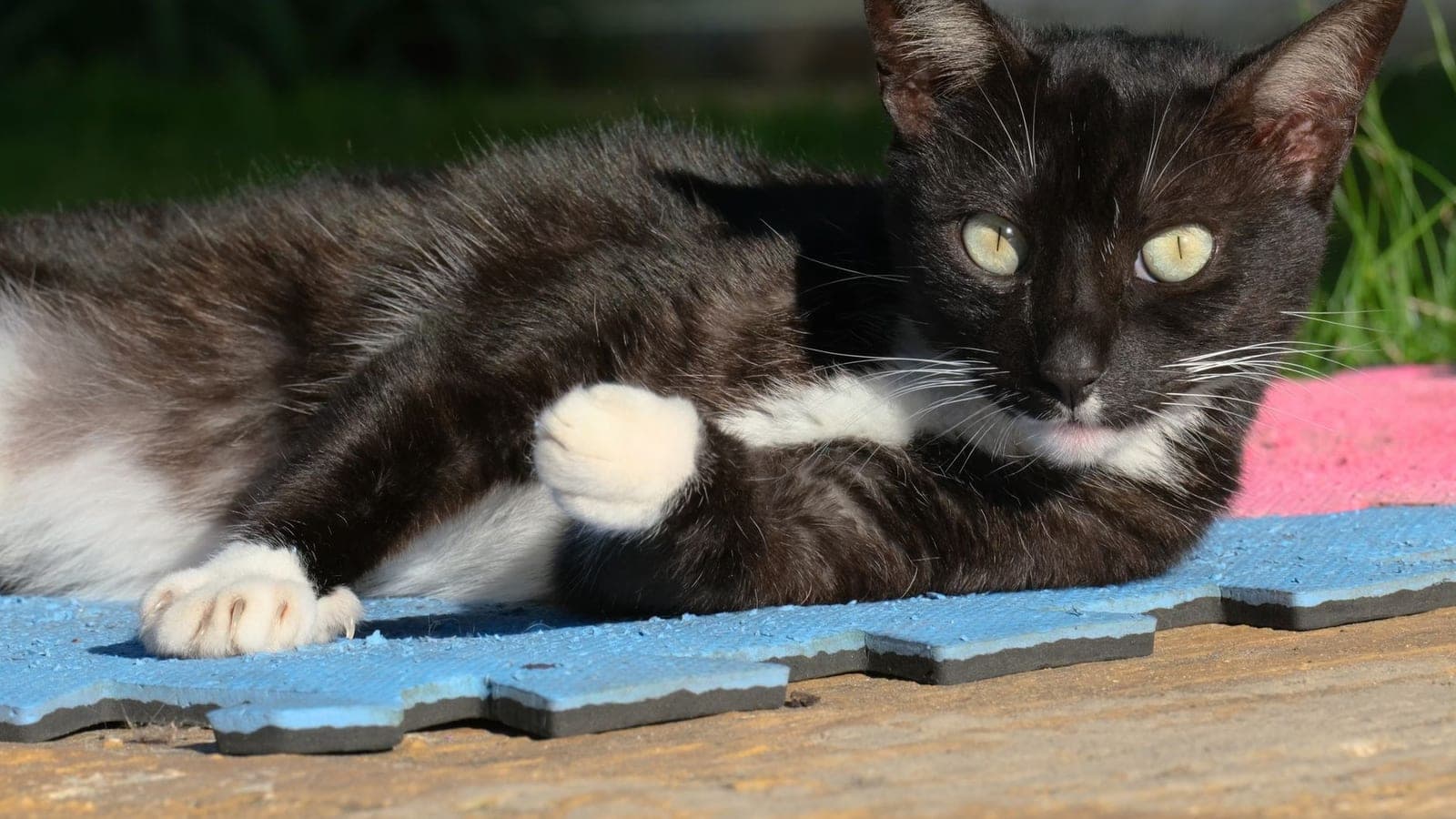
How to transport a cat long distance comes down to three things: a carrier the cat already trusts, a litter and water routine every four to six hours, and a quiet, escape-proof place to sleep. Here is the two-week prep plan, the road routine, and when a professional driver makes more sense.
How to transport a cat long distance: drive, fly, or hire a driver
How to transport a cat long distance: keep the cat in a carrier it has been trained to like, secure that carrier in the back seat, stop every four to six hours to offer water and a litter box, and sleep in a room you have escape-proofed. If you cannot spend two to five days doing that, a professional ground driver does it for you door to door, at $650–$850 for a 1,000-mile trip on GoGoPets.
Cats do not travel like dogs. They do not need walks, they will not eliminate in a moving car, and most of them hate every minute of it regardless of what you do. The goal is not a happy cat. The goal is a cat that arrives hydrated, uninjured, and un-escaped, and that stops hiding within a couple of days.
The table compares the three ways to move a cat across the country. Airline fees are from the carriers' published 2026 policies; ground costs are GoGoPets typical totals. For a full cost breakdown by distance, see our pet transportation cost guide.
| Option | Typical cost (cross-country) | Time | Cat stress | Best for |
|---|---|---|---|---|
| Drive yourself | $900–$1,500 in fuel, hotels, and food | 4–5 days | Moderate; you control the pace | Owners relocating by car with time to spare |
| Fly in-cabin | $125–$150 pet fee each way plus your ticket | 1 day | High for a few hours; airport noise and handling | Calm cats under about 20 lb with carrier, owner flying anyway |
| Ground transporter | $900–$1,400+ all-in; $650–$850 for 1,000 miles | 2–5 days | Moderate; quiet vehicle, one handler | Multiple cats, anxious cats, owners who cannot drive it |
Two weeks before: carrier training and a vet check
Carrier training is the single thing that matters most, and it takes two weeks, not two days. Leave the carrier open in the room where the cat already sleeps, door removed if possible. Put a worn T-shirt inside. Feed meals just outside it, then just inside it. By the end of week one the cat should nap in it voluntarily; by the end of week two, you should be able to close the door for 20 minutes without a fight.
Add short drives in week two: five minutes, then fifteen, then thirty. Reward with a meal after each one. This is when you find out whether your cat drools, yowls, or gets carsick, and you want to know that in your driveway, not on the interstate.
Book a vet visit in the same window. Ask for a wellness check, a rabies booster if it is due, a certificate of veterinary inspection if your destination state requires one, and a conversation about anti-nausea or anti-anxiety medication. Most vets are willing to prescribe something for a cat that panics in the car, and you should test the dose at home first.
- Day 14: carrier out, door off, familiar bedding inside.
- Day 12: feed meals next to, then inside, the carrier.
- Day 10: vet visit for wellness check, rabies, health certificate, medication.
- Day 7: close the door for short periods; first 5-minute drive.
- Day 5: 15- and 30-minute drives; test any prescribed medication at home.
- Day 3: buy supplies: travel litter box, extra litter, collapsible bowls, wipes, spare towels.
- Day 1: confirm hotel pet policies; print vet paperwork; microchip and ID tag checked.
Get a free estimate for your specific route — verified drivers compete for your trip.
Get Instant Estimate →Carrier size, bedding, and securing it in the car
For a long trip, size up. The cat should be able to stand, turn around, and lie stretched out, which usually means a carrier one size larger than the one you use for vet visits. Hard-sided carriers are easier to clean after an accident and safer in a crash; soft-sided carriers are lighter and fit airline seats. For a multi-day drive, many owners use a small wire dog crate with a litter box at one end and a bed at the other.
Line the carrier with an absorbent pad, then a towel, then the item that smells like home. Keep two spare towels in a bag you can reach from the driver's seat. Cover the carrier with a light sheet on three sides; a cat that cannot see traffic rushing past is a calmer cat.
Secure the carrier on the back seat with the seat belt through the handle, or wedge a crate so it cannot slide. An unsecured carrier becomes a projectile in a hard stop. Never put a cat in the trunk or a cargo area without airflow, and never leave the carrier where the sun hits it through the glass.
Litter, food, and water on the road: the 4–6 hour rule
Most healthy adult cats can hold their bladder six to eight hours, and almost none will use a litter box while the car is moving. Veterinary travel guidance is to offer a litter box every four to six hours at a stop, with the engine off, doors closed, and windows up. Put the box on the floor of the back seat, open the carrier, and give the cat ten quiet minutes. Many will not go the first few times. That is normal.
Water works the same way: offer it at every stop, not in the moving carrier where it spills. A cat that refuses water all day will usually drink in the hotel room at night. Add a little water to wet food at dinner to make up the difference.
Feeding: give a light meal three to four hours before you leave in the morning, not right before, and skip food during the driving day for a cat that gets carsick. Feed the main meal at night in the room. A cat that eats nothing for a day on the road is uncomfortable but not in danger; a cat that eats nothing for two or three days needs a vet, because cats can develop liver problems from prolonged fasting.
Hotel nights with a cat: escape-proofing the room
Hotels are where cats disappear. Before you bring the carrier in, walk the room and check under the bed, behind the headboard, the gap behind the mini-fridge, and any opening under the bathroom vanity. Close the closet. Put a rolled towel along the bottom of the door. Then, and only then, open the carrier in the bathroom with the door shut.
Set the litter box, water, and food in the bathroom and let the cat come out on its own. Most will hide for an hour and then eat. Keep the carrier open in the room overnight; many cats go back into it to sleep because it is now the only thing that smells familiar. Do not let housekeeping in, and hang the sign.
In the morning, feed early, scoop the box, and get the cat back in the carrier before you pack anything else. A cat that has watched you load the car knows what is coming and will be under the bed.
Calming aids that work, and what to skip
Synthetic feline pheromone sprays, applied to the bedding 15 minutes before the cat goes in, have the best track record for mild anxiety. Combine it with the three-sided cover and a quiet car: no loud music, no open windows. Talk to the cat in a normal voice. Most of the calming effect comes from predictability, which is why the two weeks of carrier training matter more than anything you can buy.
For cats that panic, drool, or vomit on every drive, ask your vet about prescription anti-nausea or anti-anxiety medication. Test it at home first so you know how your cat responds. Skip over-the-counter sedatives, essential oils, and anything marketed as calming that your vet has not seen; several common oils are toxic to cats, and a sedated cat cannot regulate its temperature well.
Two things that make cats worse: letting them roam loose in the car, and taking them out at a rest stop. A loose cat under the brake pedal is a crash, and a cat outside a car at a truck stop is gone. If you need to handle the cat, do it inside the closed vehicle.
Health certificate and rabies rules for cats crossing state lines
According to USDA APHIS, the federal government does not regulate owners moving pets between states; the destination state sets the rules. Many states require a certificate of veterinary inspection (CVI) issued by an accredited vet within 30 days of arrival, and most require proof of a current rabies vaccination for cats, though a few exempt cats from the rabies requirement. Check your destination state's department of agriculture page before your vet visit.
In practice, get the CVI even if your route does not strictly require it. Hotels, apartment complexes, and any professional transporter will ask for it, and a cat with paperwork is much easier to get into a rental or across a state line if you are stopped. Carry the rabies certificate, not just the tag.
If you are moving to or from California, our California pet transportation page covers what drivers on that corridor typically ask for. Cross-country movers should also read our guide to moving cross-country with pets, which covers the timeline for the humans, not just the cat.
What a professional cat transport looks like
A cat transport service for long distance does the same routine described above, with someone else driving. On GoGoPets you post the trip for free, verified drivers bid, and you choose one. Your cat travels alone with the driver in a climate-controlled vehicle, never in a van with other customers' animals, with water and litter offered at stops. The driver sends photo updates from the road and you can message them in the app.
Costs follow distance. A route under 300 miles runs $299–$450 all-in. A 1,000-mile trip is usually $650–$850. A coast-to-coast run such as the California to New York pet transport route, about 2,800 miles, typically comes to $900–$1,400+ including the flat $99 service fee, and takes four to five days door to door.
Hiring a driver makes the most sense when you are flying to the new city, when you have two or more cats, or when your cat's vet has told you the car is a genuine health risk for it. Ask any driver you consider where the cat will sleep, how they handle the litter box, and how they keep the vehicle cool at stops. Our cat transportation page explains what a properly set-up cat driver looks like.
When you are ready, post the trip, compare the bids that come in, and pay into escrow. The driver receives 30% at pickup and the remaining 70% only after you confirm your cat arrived safely, and pet protection coverage is included on every trip at no extra cost. Your cat will still hate the trip. It just will not have to hate it for very long, and neither will you.
Frequently Asked Questions
How long can a cat stay in a carrier on a road trip?
A healthy adult cat can stay in a carrier for a full driving day if you stop every four to six hours to offer water and a litter box with the car parked and closed. Most cats hold their bladder six to eight hours and will not eliminate while the car moves. Plan for eight hours of driving, not twelve, and let the cat out in a secured hotel room each night.
How do cats go to the bathroom on a long car ride?
At stops. Park, turn the engine off, keep doors and windows closed, and put a small litter box on the back-seat floor. Open the carrier and give the cat ten quiet minutes. Many cats refuse the first few times and go at the hotel that night; that is normal. Never open the carrier outside the vehicle.
Should I feed my cat before a long car trip?
Give a light meal three to four hours before you leave, not immediately before, to reduce carsickness. Skip food during the driving day if your cat vomits in the car, and feed the main meal at night in the hotel room. Offer water at every stop. A cat that eats nothing for more than two days on the road should see a vet.
Is it better to drive or fly with a cat cross country?
Flying is faster and costs $125–$150 each way in airline pet fees, but the cat must fit under the seat and endures airport noise and handling. Driving takes four to five days but lets you control the pace and stops. For anxious cats, multiple cats, or owners who cannot make the drive, a ground transporter is the middle option at $900–$1,400+ coast to coast.
How do I keep my cat calm in the car for a long trip?
Two weeks of carrier training does more than any product. Add a synthetic feline pheromone spray on the bedding, cover the carrier on three sides, keep the car quiet, and never let the cat roam loose. For cats that panic or vomit, ask your vet about prescription anti-nausea or anti-anxiety medication and test it at home first.
Can I hire someone to transport my cat?
Yes. Ground pet transporters move cats door to door in climate-controlled vehicles, offering water and litter at stops. On GoGoPets you post the trip, verified drivers bid, and your cat rides alone with the driver. A 1,000-mile trip typically costs $650–$850, and the driver is paid from escrow only after you confirm delivery.
Ready to Transport Your Pet?
Post your trip for free and receive competitive bids from verified, USDA-certified drivers. Pet protection included on every booking.
Get a Free Quote for Your Trip→