
PCS Pet Transport: Costs, Options, and the $550 Reimbursement
GoGoPets Team ·
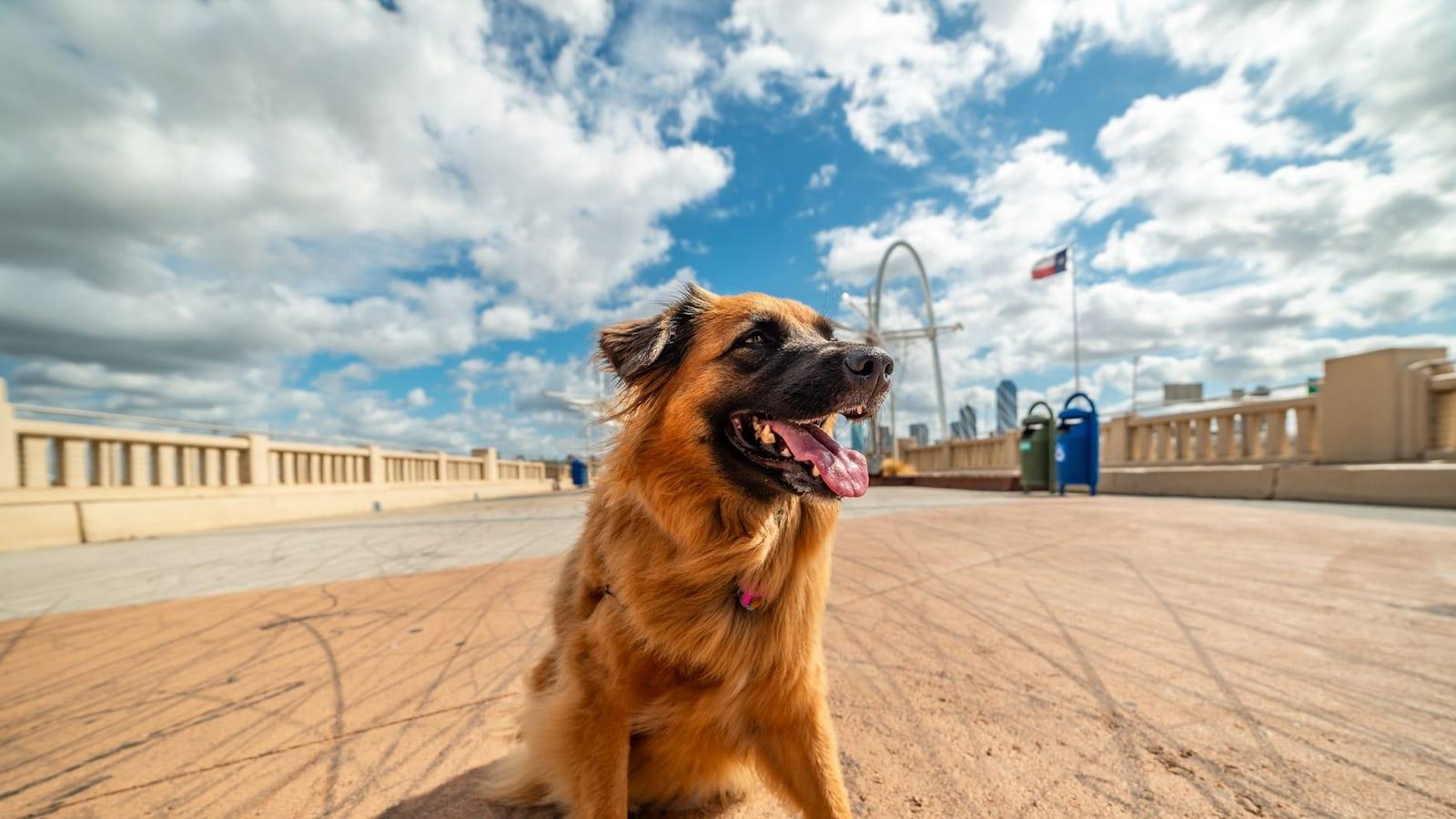
PCS pet transport is reimbursable up to $550 for a CONUS move and $2,000 for OCONUS under the DoD allowance that took effect January 1, 2024. Here is what counts, how to file, and how to book ground transport around your report date.
The DoD PCS pet transport allowance: who qualifies and how much
PCS pet transport is reimbursable. For PCS orders with an effective date of January 1, 2024 or later, the Joint Travel Regulations (JTR 050107) let a service member claim up to $550 for one household pet, a cat or a dog, on a CONUS move and up to $2,000 on a move to or from an OCONUS location, per the Defense Travel Management Office (DTMO). It is one pet per PCS, not one pet per family member.
The allowance covers the cost of getting the pet to the new duty station and the fees that come with it. It does not require you to use any particular method. If you hire a ground transporter to drive your dog from Fort Liberty to Fort Carson while you fly, that is a pet shipped separately from the member, which is exactly the situation the rule was written for.
Two things trip people up. First, the allowance is a reimbursement, not an advance, so you pay first and claim on your travel voucher. Second, it is capped per move: if your transport costs $900 CONUS, you get $550 back and cover the rest. Plan the trip with that number in mind.
What counts as reimbursable PCS pet expenses
DTMO's list is specific. For a CONUS move, reimbursable expenses are mandatory microchipping, boarding fees, hotel pet service charges, licensing fees at the new duty station, and pet shipping fees when the member flies rather than drives or the pet is shipped separately from the member. Transport is the big one, and it is the category most families actually spend money on.
OCONUS moves add quarantine fees and rabies titer testing required for entry, which is why the cap is higher. Health certificates and vet exams required for travel are commonly submitted with the claim; keep the itemized invoice and let the finance office decide. Receipts are required for every pet expense, regardless of amount, so ask for one at the vet, the kennel, and the hotel desk.
What does not count: food, crates, toys, routine vet care, and anything for a second pet. If your family has two dogs, one of them is on your own dime. Some families split the difference by claiming the pet with the higher transport cost.
| Expense | CONUS ($550 cap) | OCONUS ($2,000 cap) |
|---|---|---|
| Pet transport (member flies or pet ships separately) | Yes | Yes |
| Mandatory microchipping | Yes | Yes |
| Boarding fees during the move | Yes | Yes |
| Hotel pet service charges | Yes | Yes |
| Licensing fees at the new duty station | Yes | Yes |
| Quarantine fees | No | Yes |
| Rabies titer testing for entry | No | Yes |
| Food, crates, routine vet care, second pet | No | No |
Get a free estimate for your specific route — verified drivers compete for your trip.
Get Instant Estimate →Ground vs air for a PCS with pets: when each makes sense
Ground transport wins for most CONUS moves. A driver picks the dog up at your current housing and delivers to the new one, so there is no airport drop-off, no crate sitting on a tarmac, and no breed embargo. Flat-faced breeds like Bulldogs and Pugs are refused by most airlines in cargo, and every major carrier stops accepting pets when temperatures pass 85°F, which knocks out summer PCS season across the South.
Ground costs are predictable. On GoGoPets, a 1,000-mile trip usually runs $650 to $850 all-in, and short routes under 300 miles run $299 to $450. The pet transportation cost guide breaks down the per-mile tiers. That means a base-to-base move inside one region often lands under the $550 cap, and a cross-country move is partly covered.
Air makes sense for OCONUS orders, where ground is not an option, and for a small dog or cat that qualifies for in-cabin travel with you. For Hawaii, Alaska, Japan, Germany, and Korea, budget the full $2,000 and expect the transport, quarantine, and titer costs to exceed it. Book the pet's flight the day you have orders in hand; pet slots per flight are limited.
Filing for reimbursement: receipts, DD Form 1351-2, and common rejections
Pet expenses go on your travel voucher, DD Form 1351-2, with the rest of your PCS claim. Itemize each pet expense, attach every receipt, and include a copy of your orders. Most units file through DTS or their finance office; ask your unit's travel clerk which one applies to you before you start.
The receipt is the whole game. A GoGoPets trip produces a clear paid invoice showing the driver's bid plus the $99 service fee, the pickup and delivery addresses, and the dates. That is what finance wants to see: who was paid, for what, and when. Screenshots of a payment app with no description get rejected.
Common rejections: orders dated before January 1, 2024; claims for a second pet; expenses with no receipt; and pet transport claimed when the member drove with the pet in the car. If your claim is denied, ask for the specific JTR paragraph cited and resubmit with the missing document. Most denials are paperwork, not eligibility.
- Copy of PCS orders with an effective date of January 1, 2024 or later
- Itemized receipt for pet transport showing dates, addresses, and amount paid
- Receipts for microchipping, boarding, hotel pet fees, and licensing
- For OCONUS: quarantine and titer test invoices
- DD Form 1351-2 with pet expenses listed as a separate line item
- Health certificate and vet exam invoice, if you are submitting those costs
Timeline: booking PCS pet transport around your report date
Start the pet plan the week you get orders. Book the vet visit first, because a certificate of veterinary inspection is typically valid 30 days for ground travel and must be issued within 10 days for a flight, per the AVMA. Then post the transport. Peak PCS season runs May through August, and drivers book two to three weeks out in those months.
The cleanest sequence for a CONUS move: pet leaves two to four days before you do, so it is not underfoot on pack-out day and arrives at the new housing about when you do. If you are doing a house-hunting trip first, ship the pet after housing is confirmed so it goes straight to a home, not a hotel.
Build slack into the schedule. A 1,500-mile ground trip takes two to three days with proper rest stops. Do not book pickup for the day before your report date. Give it a week. Drivers on GoGoPets send photo updates from the road and you can message them directly, so you will know where the dog is while you are in transit yourself.
Breed restrictions on base housing and how to plan for them
Privatized military housing on most installations restricts certain breeds. The lists vary by housing company, but pit bull types, Rottweilers, Doberman Pinschers, Chows, wolf hybrids, and mixes with a significant share of those breeds are the usual names, according to Army and Air Force housing policies published since 2009. Some installations also cap the number of pets at two.
Check the specific housing office at your gaining installation before you book transport. If your dog is on the list, you are looking at off-base housing, which changes the delivery address and possibly the timing. It is far better to learn that at the orders stage than when the driver is an hour from the gate.
Service animals are a separate category under the ADA and Fair Housing Act, but enforcement at privatized housing is inconsistent. Get anything the housing office agrees to in writing. When you post the transport, put the confirmed delivery address in the trip details so the driver's bid reflects the real route.
Common PCS routes by ground: Fort Liberty, Fort Cavazos, JBLM, Norfolk, Colorado Springs, San Diego
Certain corridors come up every PCS season. Fort Liberty in North Carolina sends soldiers to Fort Cavazos in Texas and Fort Carson near Colorado Springs constantly, and both are 1,300 to 1,700 miles, which lands in the $0.55 to $0.60 per mile tier. Expect $900 to $1,200 all-in and $550 back.
Navy moves between Norfolk and Virginia Beach and San Diego are the long ones: about 2,700 miles, three to four days on the road. Joint Base Lewis-McChord near Tacoma pairs with San Diego and Colorado Springs for the Army and Air Force. Short regional moves, such as Fort Cavazos to Fort Bliss inside Texas, usually fall entirely under the cap.
When you are ready, post the trip in the GoGoPets app with your pickup window and the new housing address. Verified drivers bid, you pick one, and payment is held in escrow: 30% at pickup, 70% after you confirm safe delivery. You get a clean invoice for your voucher, and every trip includes pet protection coverage at no extra cost.
Frequently Asked Questions
Does the military pay for pet transportation during a PCS?
Yes, up to a cap. For PCS orders effective January 1, 2024 or later, the DoD reimburses pet transport and related fees up to $550 for a CONUS move and $2,000 for an OCONUS move, for one cat or dog per PCS, under JTR 050107. You pay the transporter, keep the receipt, and claim the expense on your travel voucher.
How much does the DoD reimburse for pet relocation?
The Defense Travel Management Office sets the limits at $550 for moves within the continental United States and $2,000 for moves to or from an OCONUS location such as Hawaii, Alaska, Japan, or Germany. It covers one household pet per PCS. Costs above the cap are yours. Receipts are required for every expense, regardless of amount.
How do I claim pet transport expenses on a PCS move?
List each pet expense as a separate line on DD Form 1351-2, attach itemized receipts and a copy of your orders, and submit through DTS or your finance office with the rest of your PCS voucher. The transport receipt should show dates, addresses, and the amount paid. Missing receipts are the most common reason claims are denied.
Can I ship my dog separately during a PCS?
Yes, and that is one of the two situations the allowance explicitly covers: the member flies rather than drives, or the pet is shipped separately from the member. A ground transporter picking the dog up at your current housing and delivering to the new one qualifies. Keep the invoice and claim it under the CONUS or OCONUS cap.
What if my breed is banned on base housing?
Most privatized military housing restricts pit bull types, Rottweilers, Dobermans, Chows, wolf hybrids, and mixes of those breeds, though lists vary by housing company. Confirm with the gaining installation's housing office as soon as you have orders. If your dog is restricted, plan for off-base housing and set the transport delivery address once you have a lease.
How far in advance should I book pet transport for a PCS?
Two to three weeks ahead during peak PCS season from May through August, and at least a week the rest of the year. Post the trip as soon as your report date and new address are set. Schedule the pet's pickup two to four days before you leave, and allow two to three days of travel per 1,500 miles so the dog arrives with time to spare.
Ready to Transport Your Pet?
Post your trip for free and receive competitive bids from verified, USDA-certified drivers. Pet protection included on every booking.
Get a Free Quote for Your Trip→