
Pet Transport Insurance: What Drivers Actually Need
GoGoPets Team ·
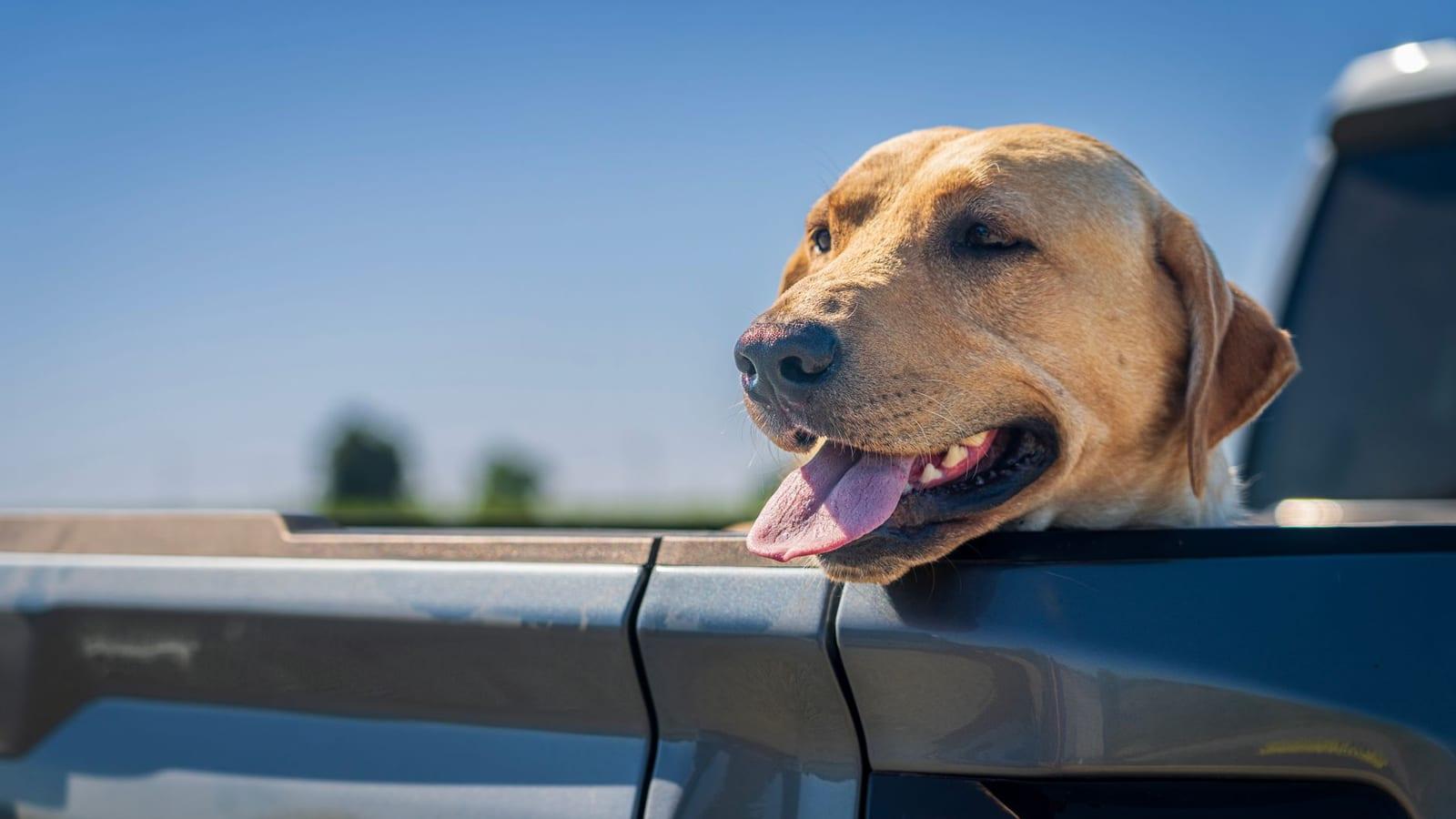
Pet transport insurance for a solo driver means three layers: commercial auto for the vehicle, general liability for your business, and animal bailee coverage for the pets in your care. Here is what each one does, what it typically costs, and what to check before your first paid trip.
Pet transport insurance: what a solo driver actually needs
Pet transport insurance for a solo driver usually means three layers. Commercial auto coverage protects the vehicle and the people you might hit while working. General liability protects your business from injury and property claims. An animal bailee or care, custody, and control endorsement covers the pets themselves, because standard liability excludes property in your care, and the law treats a dog as property. Expect roughly $1,500–$4,500 a year for all three, depending on your vehicle, state, and limits.
Most new drivers skip this and drive on a personal auto policy. That works until the first claim, when the insurer sees a paid trip in the file and denies it. The rest of this guide explains each coverage in plain language, what it typically costs, and how to buy it. It is not legal advice, and coverage terms vary by state and carrier, so confirm anything that matters with a licensed agent before you rely on it.
GoGoPets screens every driver's coverage as part of onboarding, alongside background checks and ID verification. Having the right layers in place before you apply is faster than sorting it out later, and drivers who can describe their coverage in a bid message win more trips from careful owners.
Does personal car insurance cover transporting pets for money?
Usually not. Nearly every personal auto policy contains a business-use exclusion, often worded as carrying persons or property for a fee. Transporting someone's dog for $1,100 is carrying property for a fee. Rideshare endorsements that some carriers offer are written for passenger apps and typically do not extend to hauling animals, so do not assume one covers you.
The consequences go beyond a denied claim. If the carrier learns you were driving commercially, it can cancel or refuse to renew, and a lapse in coverage makes the next policy more expensive. Some carriers will add a business-use classification to a personal policy for light commercial use, which can be a bridge for a part-time driver with a single vehicle. Ask, in writing, and get the answer in writing.
The honest test is a phone call. Tell your agent you transport pets for pay, describe the miles and the states, and ask whether a claim on a paid trip would be covered. If the answer is anything other than a clear yes with the wording that covers it, you need commercial auto coverage.
Ready to start earning? GoGoPets driver applications are open across all 50 states.
Apply as a Driver →What is care, custody, and control (animal bailee) coverage?
General liability protects you when your business injures someone else or damages their property. It almost always excludes property in your care, custody, or control, and the pet in your crate is exactly that. Without a specific endorsement, a dog injured during your trip is usually not covered by general liability at all. That gap is the one most often missed by new transporters, and it is the one that matters most to owners.
Animal bailee coverage, sometimes sold as pet care or care-custody-control coverage, fills the gap. It typically pays veterinary costs if an animal is injured or becomes ill while in your care, and it may pay a set amount if an animal dies or is lost, up to a per-animal limit and an aggregate limit. Some carriers bundle it with general liability for pet-care businesses such as sitters, groomers, and transporters; others sell it as a rider.
Read the limits and exclusions before you buy. Common exclusions include pre-existing conditions, animals left unattended in vehicles, heat-related illness when the vehicle was not running, and losses during activities you did not declare. A form that covers a dog walker in a park is not the same as one that covers a dog in a van crossing three states, so tell the carrier exactly what you do.
Commercial auto insurance for pet transport: when you need it and what it costs
You need commercial auto coverage as soon as the vehicle is used regularly to earn money, and certainly if it is titled to a business or fitted out for pet transport. A commercial auto policy replaces the personal policy on that vehicle. It covers liability to others, collision and comprehensive on the vehicle if you choose them, and medical payments, with limits set for business exposure rather than commuting.
For a solo driver with one minivan or cargo van, typical premiums run $1,200–$3,500 a year, based on ranges quoted by commercial auto carriers and small-business insurance marketplaces. Your driving record, the vehicle's value, your radius of operation, and your liability limit drive the price. Interstate operation across several states sits at the higher end. Higher deductibles bring premiums down and are sensible if you keep an emergency fund.
Pet transporters hauling only animals for compensation generally do not need federal motor carrier operating authority, which applies to for-hire carriers of freight and passengers, but state rules vary and some states have their own commercial registration requirements. Ask your agent and your state's department of motor vehicles, and keep the answer with your records.
General liability and vet reimbursement add-ons
General liability covers the situations commercial auto does not: a dog you are walking at a rest stop bites someone, you scratch an owner's floor carrying a crate in, or a delivery goes wrong at a home and someone is hurt. Small pet-care businesses typically pay $400–$900 a year for a general liability policy from a small-business insurer, according to ranges published by commercial insurance marketplaces.
Vet reimbursement coverage is a specific add-on, sometimes included with animal bailee coverage, that pays veterinary bills for an animal in your care regardless of fault. It matters on long routes, where a dog that stops drinking or vomits at hour ten needs a clinic visit before anyone decides who is responsible. Look for limits that cover a real emergency visit, which can run into four figures.
Two more layers are worth pricing. Inland marine or equipment coverage protects your crates, straps, and gear if they are stolen from the van. Occupational accident or disability coverage protects your income if you are hurt and cannot drive; you are self-employed, and nobody else is covering that.
| Coverage type | What it protects | Required? | Typical annual cost (solo driver) |
|---|---|---|---|
| Commercial auto | Vehicle, injuries and damage to others while working | Effectively yes; personal auto excludes paid transport | $1,200–$3,500 |
| General liability | Injury and property damage claims against your business | Strongly recommended; some clients and venues require it | $400–$900 |
| Animal bailee / care, custody, control | Injury, illness, death, or loss of pets in your care; vet bills | Recommended; the gap general liability leaves open | $250–$800 as an add-on or bundled |
| Inland marine / equipment | Crates, straps, and gear stolen or damaged | Optional | $100–$300 |
| Occupational accident / disability | Your income if you are injured and cannot drive | Optional | $300–$1,200 |
| USDA Animal Care license | Legal authorization to transport commercially (not coverage) | Required for most commercial dog and cat transport | Under $50 renewal |
What marketplace pet protection does and does not do for drivers
GoGoPets includes pet protection coverage on every trip at no extra cost to the owner or the driver. That coverage is built around the trip and the pet. It does not replace commercial auto coverage on your van, general liability for your business, or your own animal bailee coverage, and you should not describe it to owners as any of those things.
Think of the layers as answering different questions. Marketplace protection answers the owner's question about their pet on this trip. Commercial auto answers what happens to your vehicle and to the other driver at an intersection. General liability answers what happens when someone is hurt at a pickup. Animal bailee answers who pays the vet bill when a dog in your care gets sick at mile 800. A serious business has all four answered.
Owners increasingly ask about coverage before they accept a bid. Describe your own layers in one sentence and let the platform's protection stand on its own. Escrow handles the payment side: 30% is released at pickup and 70% after the owner confirms safe delivery, so a well-documented trip with the right coverage behind it closes cleanly.
How much does pet transport insurance cost for a solo transporter?
Add up the layers and a solo driver with one vehicle typically spends $1,500–$4,500 a year, with most of that in commercial auto. Part-time drivers with a clean record and a modest minivan land near the bottom. Full-time drivers running a newer cargo van across several states with $1 million liability limits land near the top. Every figure here is a typical range, not a quote, and your numbers will differ.
Get at least three quotes: one from a pet-care specialty insurer that bundles general liability with animal bailee coverage, one from a commercial auto carrier or an independent agent who writes small fleets, and one from a small-business insurance marketplace that compares several carriers. Ask each for the same limits so you are comparing like with like.
Premiums are a deductible business expense on Schedule C, which takes some of the sting out. See pet transport driver taxes for how coverage, mileage, and equipment fit into your return. Against monthly earnings of $2,500–$5,000 for active drivers, coverage is a manageable line item, and it is the one that keeps a single bad day from ending the business.
How coverage changes what you can charge and which bids you win
Insured drivers win more of the trips that pay well. Breeders shipping a $4,000 puppy, owners of a senior dog on medication, and relocating families with two pets all ask questions before they accept a bid, and a clear answer about coverage separates you from a driver who says he has never had a problem. Those are the owners who pay toward the top of the $1.00–$1.50 per mile range and leave the detailed reviews.
State your coverage plainly in the bid: commercial auto, general liability, and animal bailee coverage, plus your USDA license number if you hold one. Do not name limits unless asked, and never promise that coverage makes a bad outcome impossible. The USDA pet transport license guide explains the licensing side, which owners often confuse with coverage.
Coverage also changes your own decisions. A driver with animal bailee coverage stops at the clinic at the first sign of trouble instead of hoping the dog will settle. A driver with commercial auto takes the safer, longer route in bad weather. Owners cannot see those choices, but they see their outcomes in the delivery photo.
Checklist before your first paid trip
Work through the list below before you accept a bid, and keep copies of every document in the vehicle and on your phone. If you are still building the business, how to become a pet transporter covers licensing, vehicle setup, and the first trips in order. Securing crates properly is part of the coverage story too, because a claim after an unrestrained crate injures a dog is the claim most likely to be denied; the method is in how to secure a dog crate in a van.
When the list is done, apply to drive with GoGoPets. Drivers pass background, ID, and coverage screening, pay no membership fee, and keep 100% of their bid, with payment held in escrow and 24/7 support while you are on the road.
- Called your personal auto carrier and got a written answer on paid pet transport
- Commercial auto coverage bound on the transport vehicle with limits you chose deliberately
- General liability coverage in the business name, with a certificate you can send to clients
- Animal bailee or care-custody-control coverage with per-animal and aggregate limits you have read
- Vet reimbursement limit high enough for an emergency clinic visit
- USDA Animal Care license applied for or in hand, if your species and volume require it
- Exclusions reviewed: unattended vehicle, heat illness, pre-existing conditions, undeclared activities
- Digital and paper copies of every declaration page in the vehicle
- Renewal dates in your calendar 60 days ahead
Frequently Asked Questions
Do I need special insurance to transport pets?
Yes, if you are paid. A solo pet transporter typically needs commercial auto coverage for the vehicle, general liability for the business, and an animal bailee or care-custody-control endorsement for the pets in your care. Personal auto policies exclude paid transport, and general liability excludes property in your care, so the three layers together close the gaps. A licensed agent can confirm what your state requires.
Does my personal car insurance cover transporting pets for money?
Usually not. Most personal auto policies exclude carrying persons or property for a fee, and a paid pet trip counts as property for a fee. Rideshare endorsements are written for passenger apps and rarely extend to animals. A claim on a paid trip can be denied and the policy canceled. Call your agent, describe the work, and get the answer in writing before your first paid trip.
What is care, custody and control insurance?
Care, custody, and control coverage, often sold as animal bailee coverage, protects property that belongs to someone else while it is in your possession. Standard general liability excludes that property, and a pet in your crate is legally property. The coverage typically pays veterinary costs if an animal is injured or becomes ill in your care and a set amount if it dies or is lost, up to stated limits.
How much does pet transport insurance cost?
A solo driver with one vehicle typically pays $1,500–$4,500 a year for all layers, based on ranges quoted by commercial auto carriers and small-business insurance marketplaces. Commercial auto is the largest piece at roughly $1,200–$3,500, general liability runs $400–$900, and animal bailee coverage adds $250–$800. Your record, vehicle, states, and limits move the number. Get three quotes at the same limits.
What happens if a pet is injured while I'm transporting it?
Stop, get the animal to the nearest veterinary clinic, and message the owner immediately. If you carry animal bailee or vet reimbursement coverage, it typically pays the veterinary bills up to the per-animal limit, subject to exclusions such as an unattended vehicle. Without it, general liability usually will not respond because the pet was in your care, and you may be paying the bill yourself.
Do pet transport marketplaces provide insurance for drivers?
Marketplace protection is generally built around the trip and the pet, not around the driver's business. GoGoPets includes pet protection coverage on every trip at no extra cost, but it does not replace commercial auto coverage on your vehicle, general liability for your business, or your own animal bailee coverage. Drivers pass coverage screening at onboarding, so have your own layers in place first.
Ready to Start Earning?
GoGoPets driver applications are open across all 50 states. No membership fee, no platform cut, pet protection on every trip.
Become a GoGoPets Driver→